
Toyota CHR
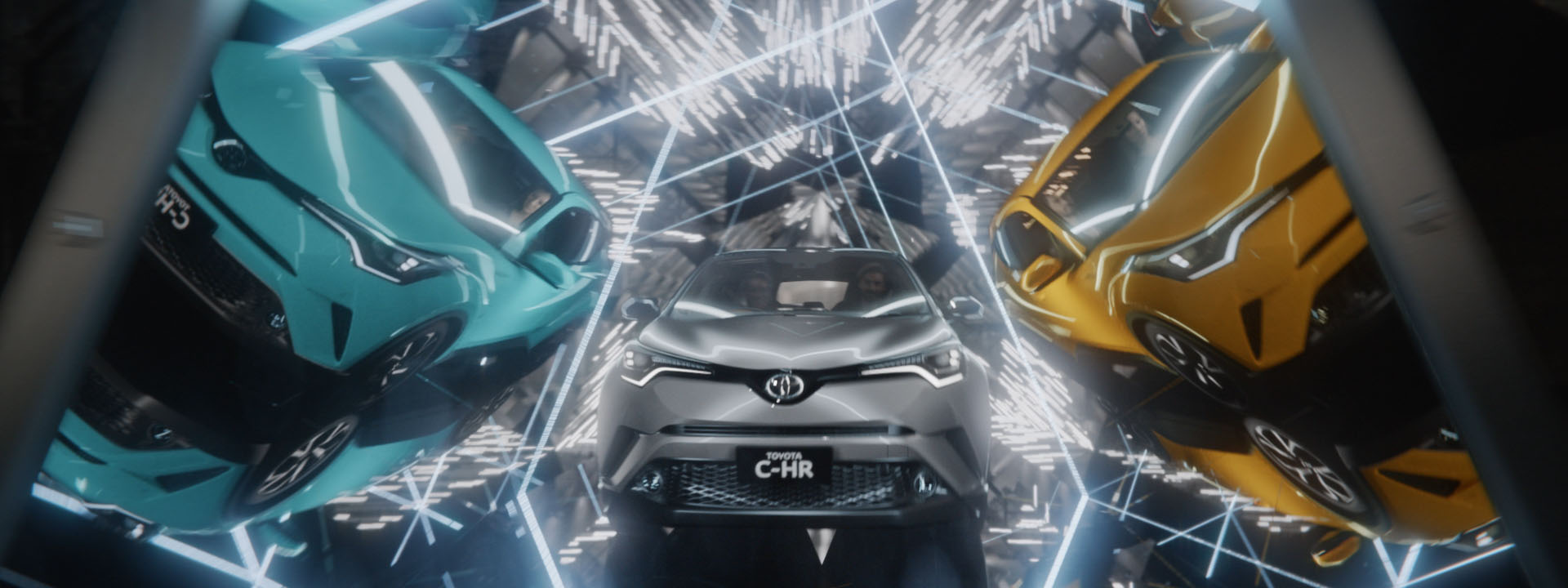
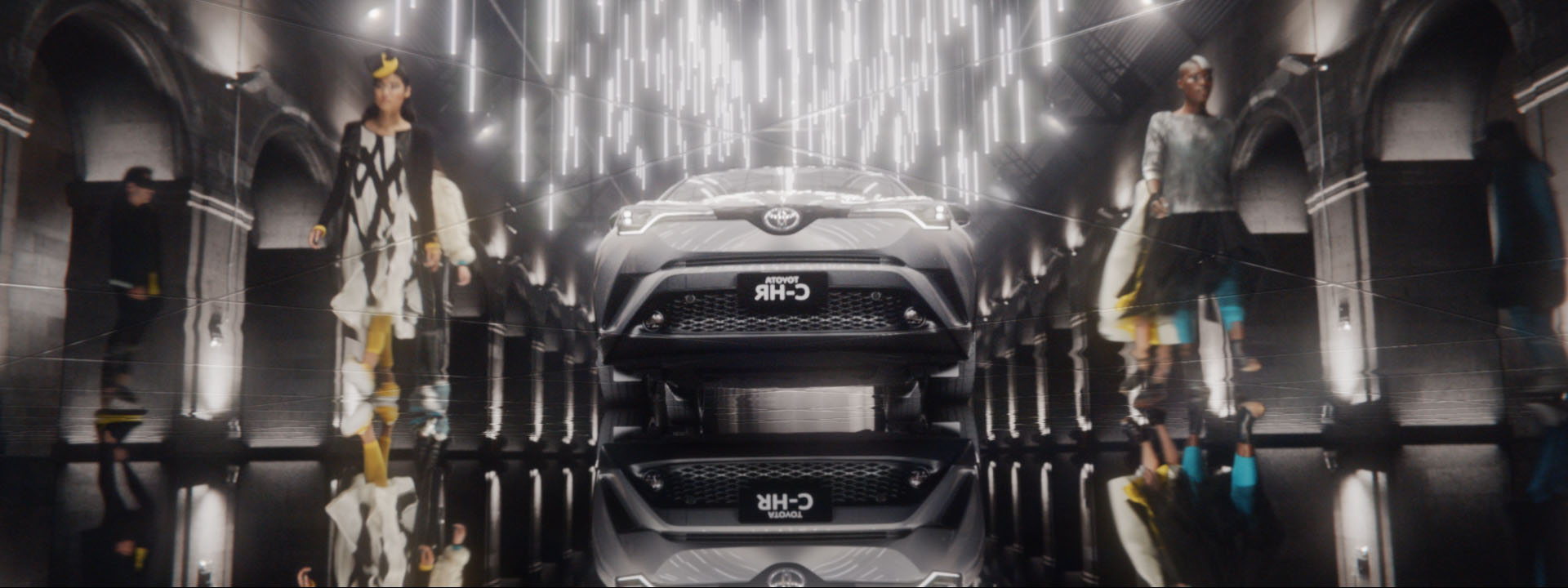
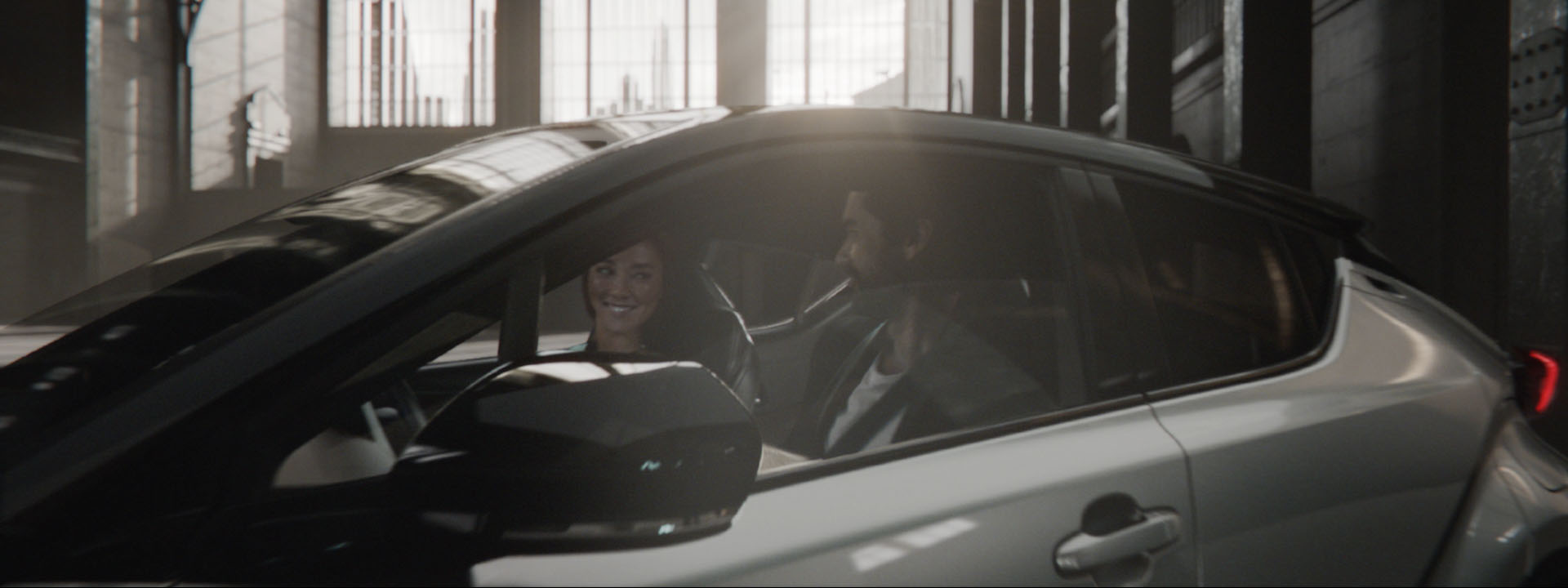
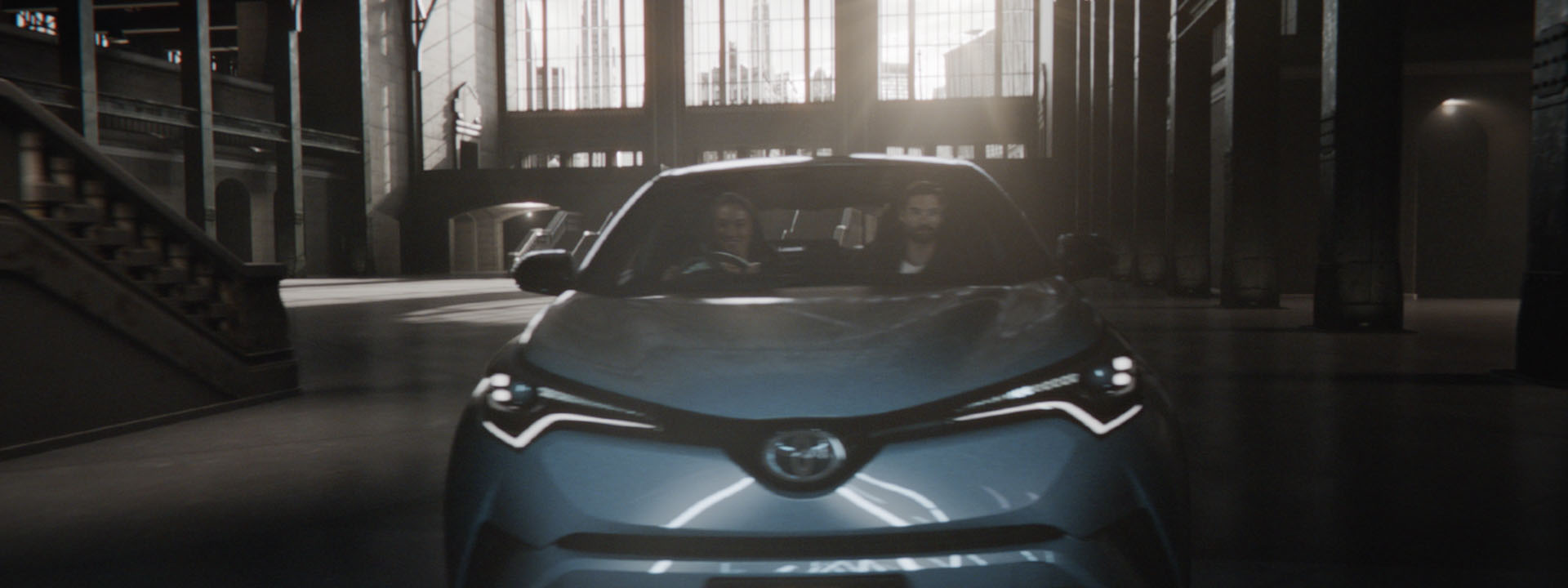
The campaign’s hero commercial — by Exit Films’ LA-based director Ben Tricklebank — unapologetically shows off the C-HR’s slick design, technology and performance, the car gliding a young couple seamlessly from one experience to the next in a single, unbroken camera move.
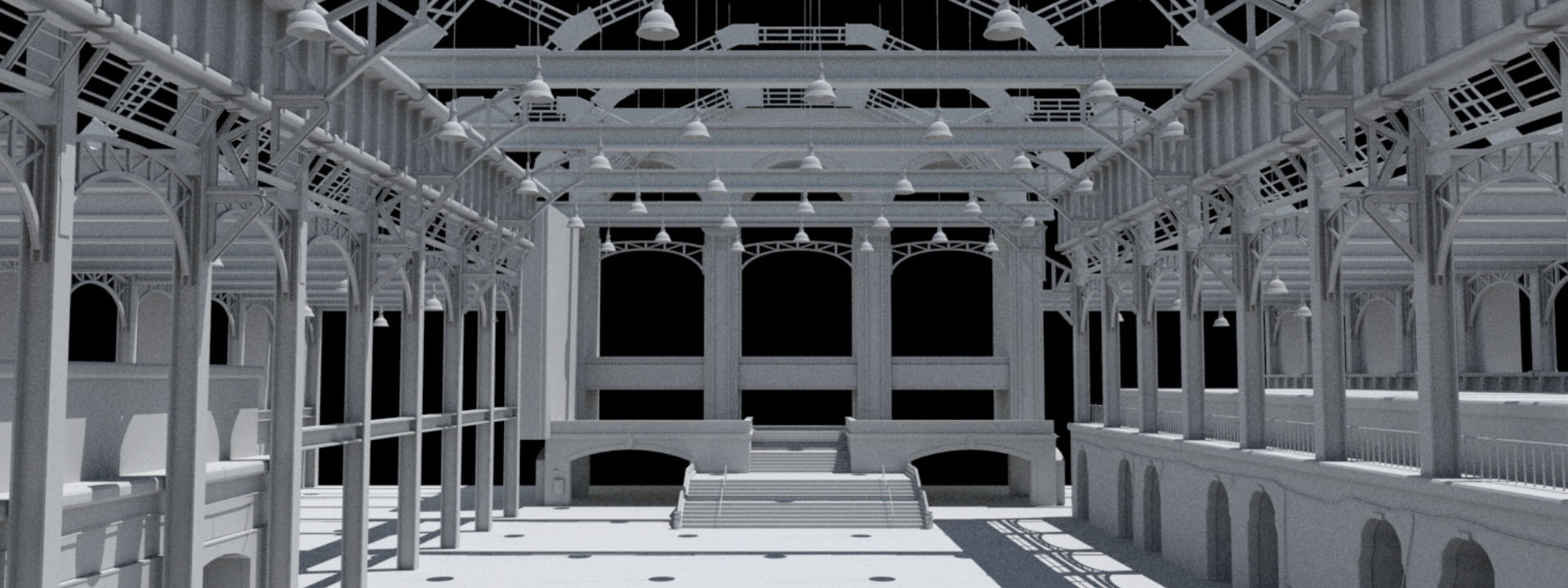
That one continuous shot was the entire challenge — and almost none of what you see was real. The C-HR and every environment around it are entirely CG; only a single shot in the whole commercial has the car captured in camera.
Behind the shot
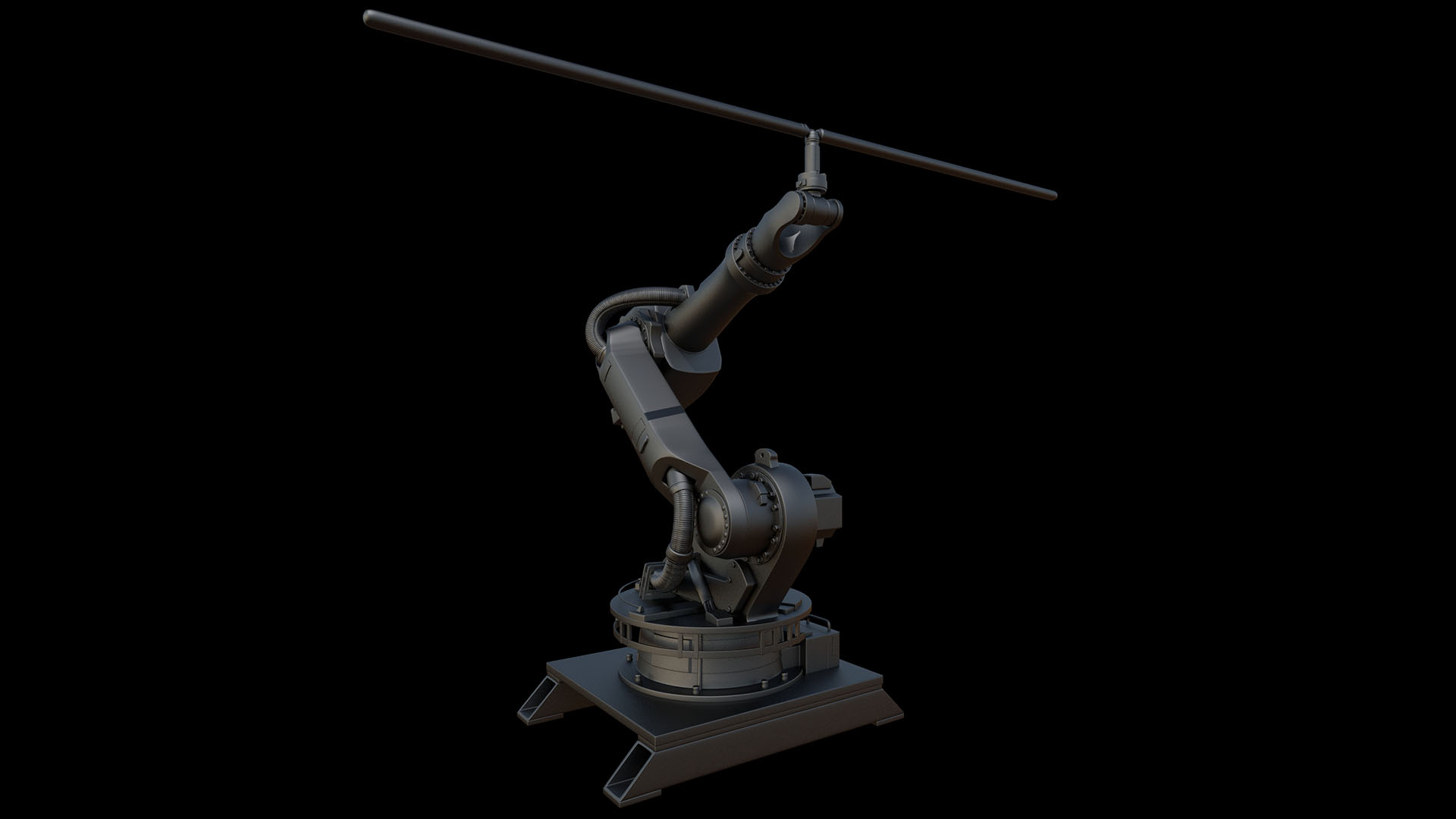
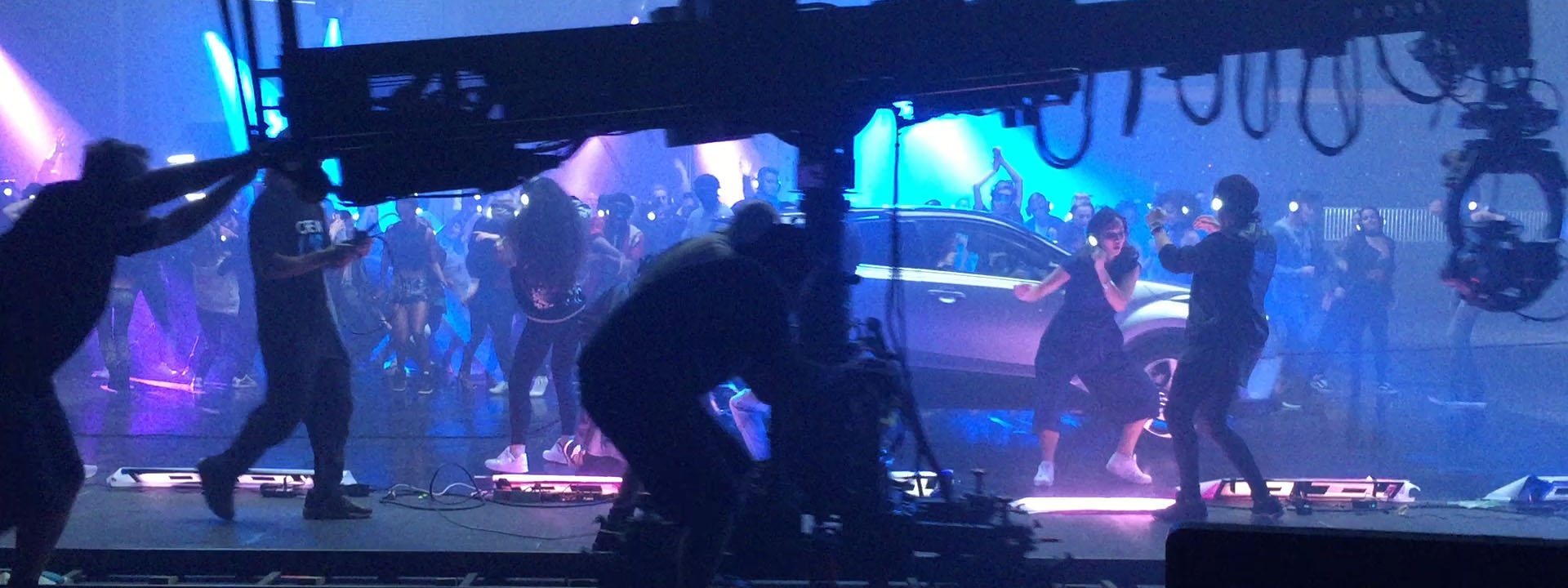
The talent were filmed against green on a motion gimbal, seated in nothing more than the car’s seats, steering wheel and dashboard. To sell a car in motion, the camera and the gimbal had to move in perfect concert — capturing exactly the right perspective on the actors so the CG world could later be built around them and match-tracked frame-for-frame onto the plate.
The hard part of a seamless move is synchronisation: the camera and the gimbal’s rotation must stay locked together, take after take, or the perspective drifts and the illusion falls apart.
The solution: an LED motion guide
To solve it, Andreas designed a bespoke LED motion-guide system and led the team that built it. Motion data was extracted directly from the previs and used to animate LED strips that acted as a live visual guide on set. The travelling light gave the camera and gimbal operators a precise, repeatable cue to follow — keeping their timing locked to the previsualised move on every take. With the practical and virtual motion synchronised, the CG car and fully digital environments dropped seamlessly onto the live-action talent.
The result is a single, flawless, seamless move — and an invisible join between the real and the entirely computer-generated.
×

Toyota CHR Breakdown
The high-octane film was made possible thanks to combination of innovative, live-action camera work and proprietary visual effects technologies developed by Andreas and the team at Alt.
Toyota CHR Credits
Role VFX Supervisor
Agency BWM Dentsu
Production Exit Films
Director Ben Tricklebank
Post Alt VFX
Year 2017